
London waste clearance • photo/video quotes • 7 days07424 151946   lee@londonwastevan.co.uk
Real job evidence • dense roofing material

Roofing Rubble Clearance Photo Study

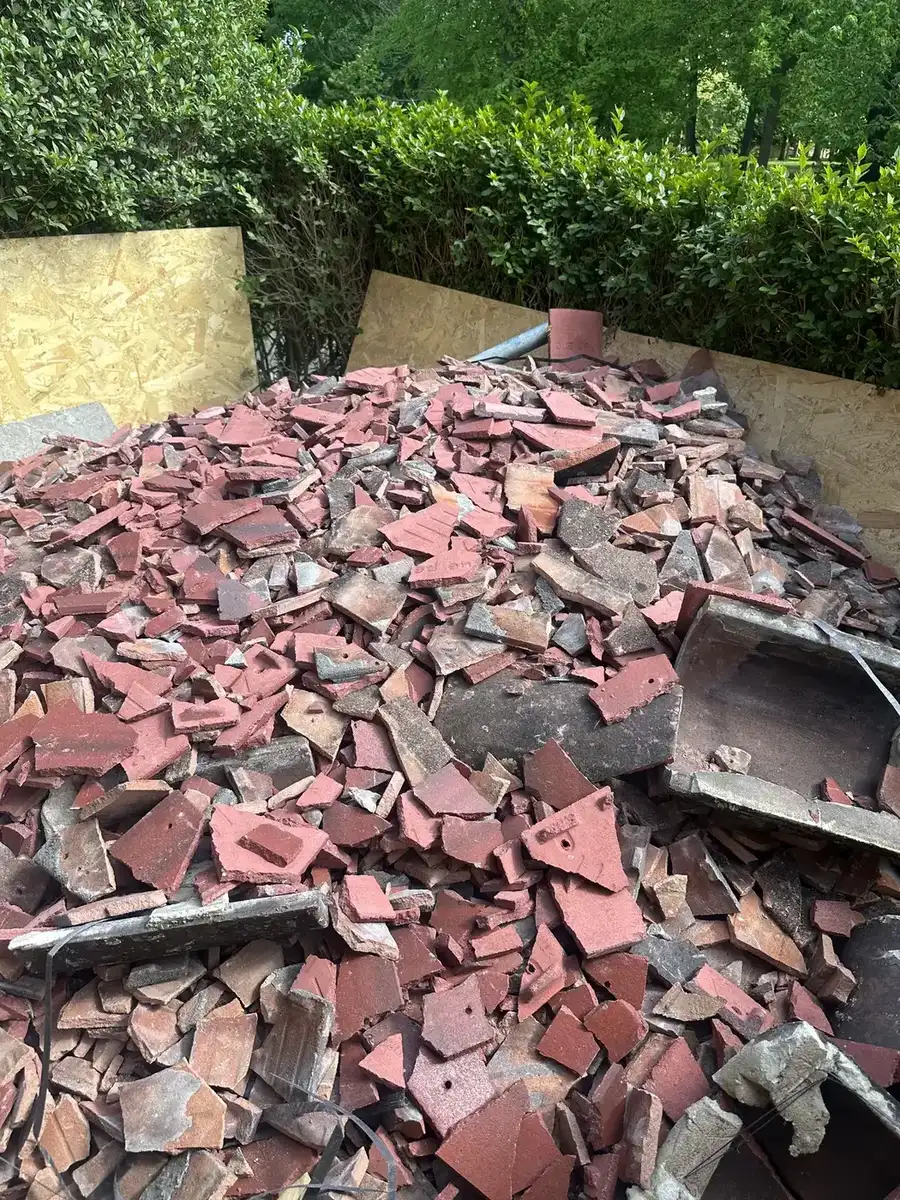
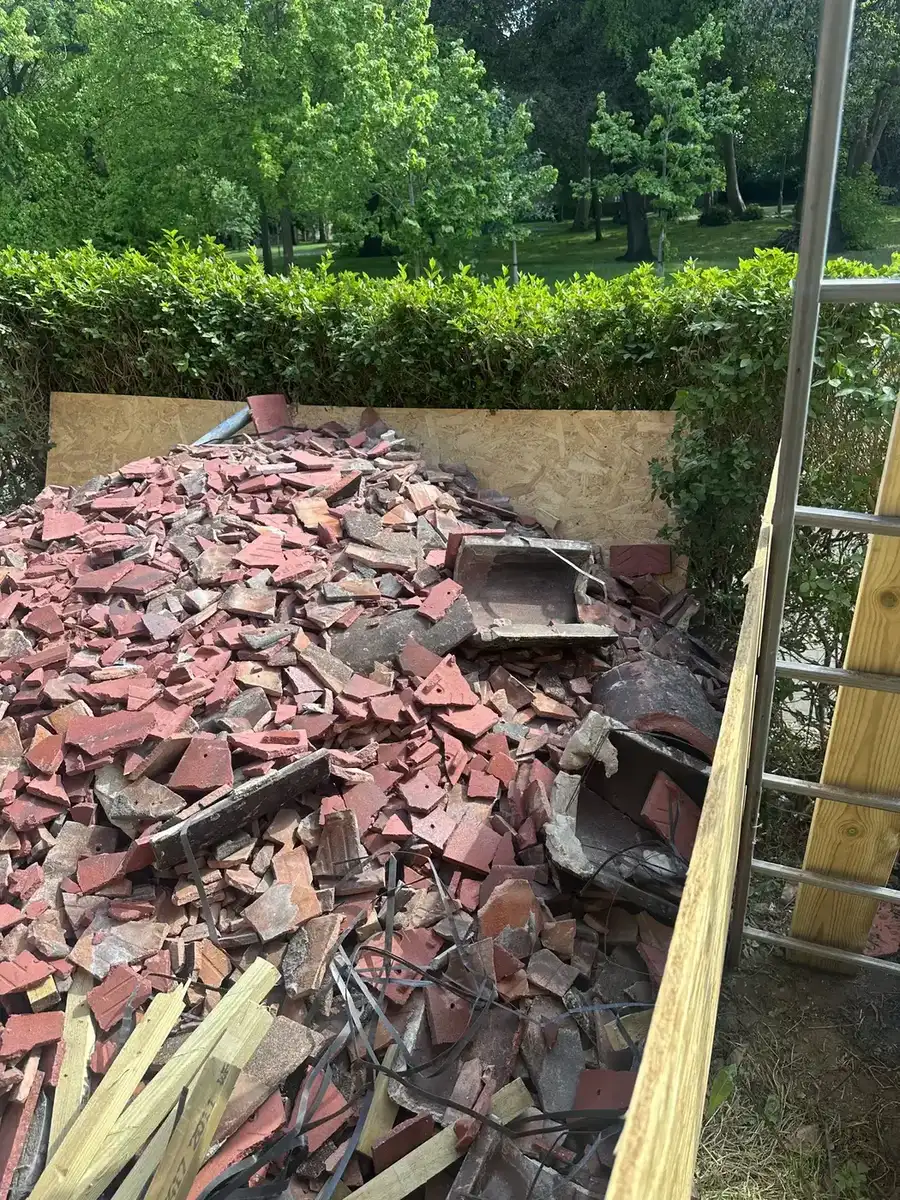
These real photos show a large pile of broken roof tiles and dense roofing debris at a scaffolded residential property. The set is a strong example of why heavy builders waste cannot be priced safely by cage volume alone.

  • Real job photo set
  • No invented price, location or duration
  • Useful access and material evidence
  • Quote similar work from photos/video

Call 07424 151946 Send Photos / Video

Large pile of broken roofing tiles and rubble
Same-Day AvailableSubject to route and capacity
👷
Labour IncludedAllowance depends on load size
📷
Photo / Video QuotesShow the waste and access
♻️
Responsible DisposalAppropriate licensed waste routes
Evidence standard: this page describes only what can be supported by the supplied photographs and the current service rules. It does not manufacture a postcode, customer name, job value, crew size or completion time.

Real Clearance Job Photos

Large pile of broken roofing tiles and rubble
Dense broken roof tiles gathered at the property.
Broken roof tile waste awaiting collection
Close view showing the dense nature of the roofing waste.
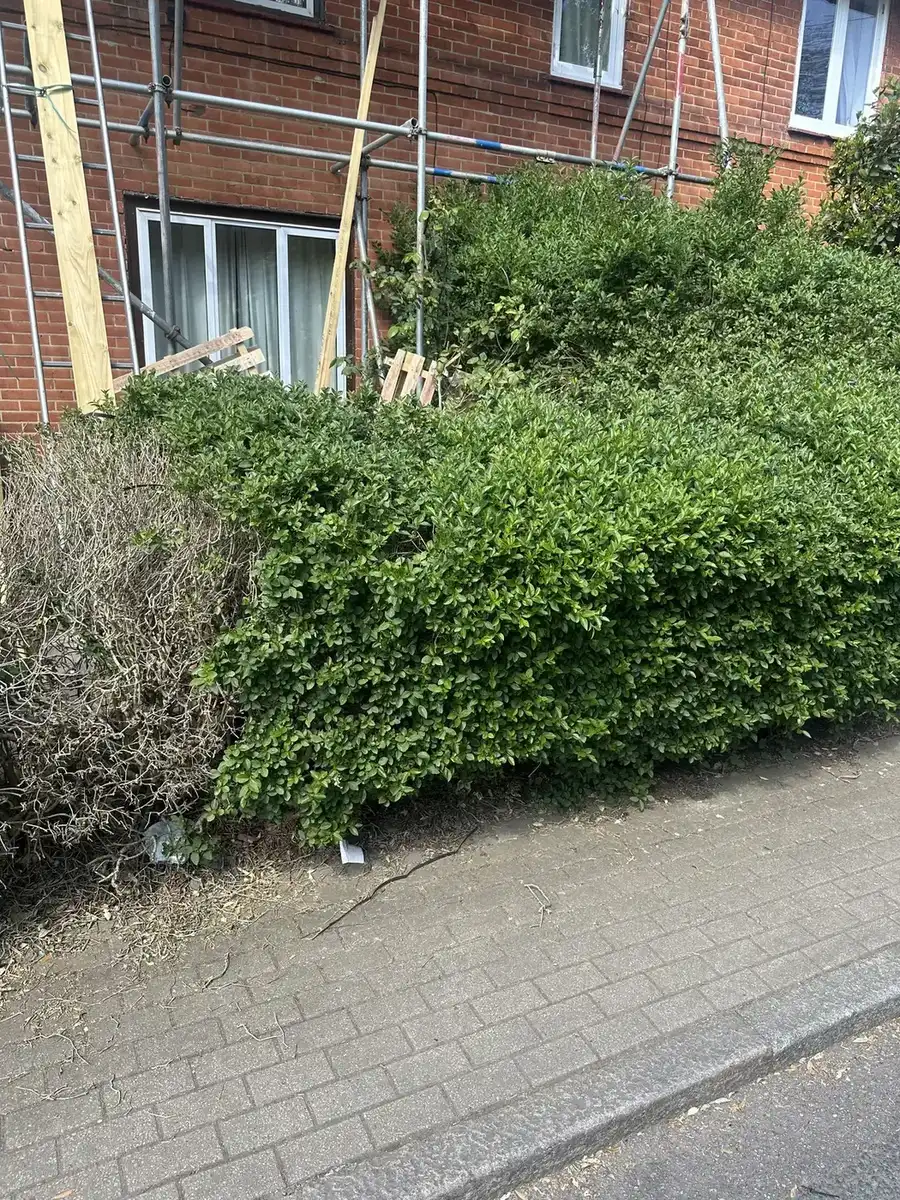
Residential property access near roofing waste clearance
Street and property context relevant to loading access.
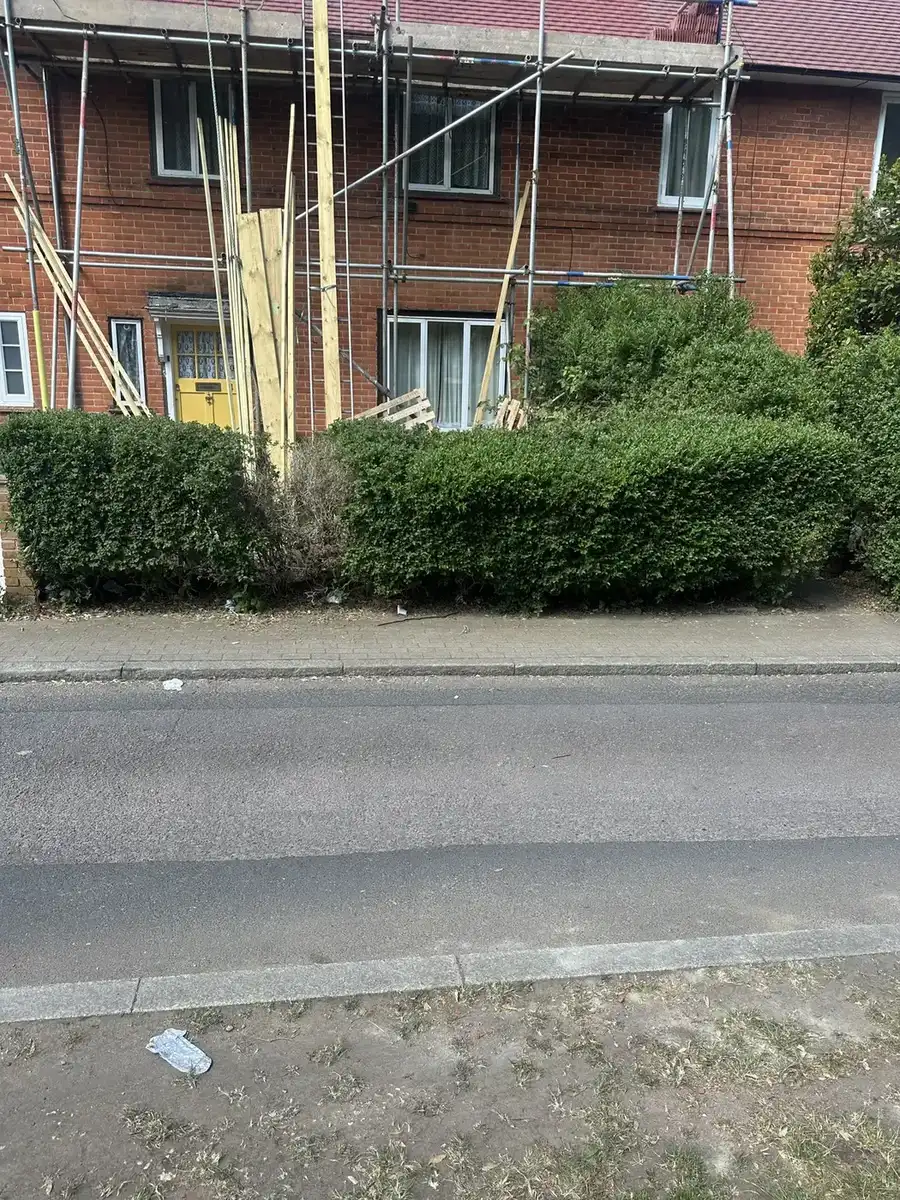
Roadside access outside scaffolded property
Roadside loading conditions need to be considered.
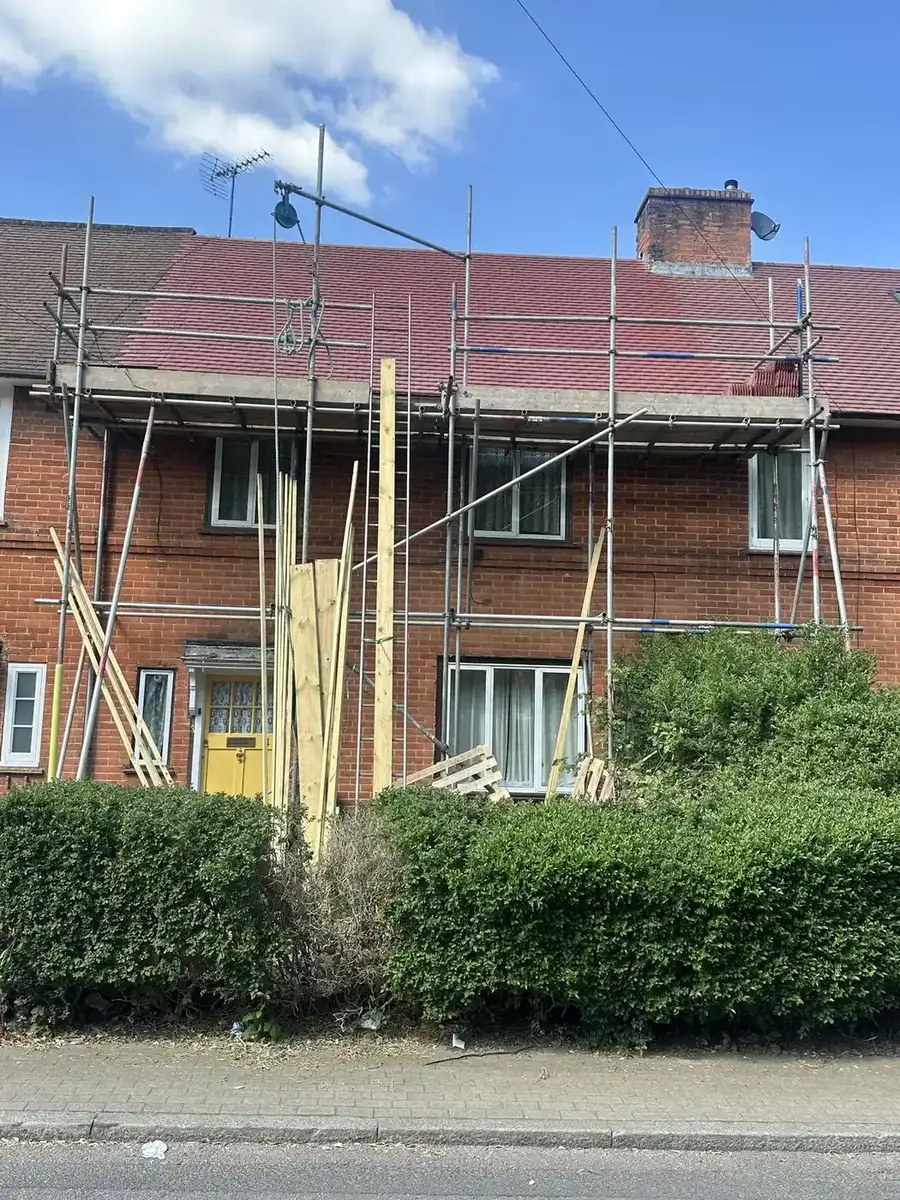
Scaffolded residential property for roofing waste clearance
Property context showing active roofing works.

Why Roof Tiles Are A Heavy-Waste Job

Broken clay or concrete roof tiles are dense. A pile can look modest compared with furniture or bagged household rubbish yet weigh far more. Vehicle payload and legal road weight therefore become the limiting factor before physical cage space is filled.

Volume Pricing Is Not The Right Shortcut

The normal £120–£450 guide bands are intended for suitable light and mixed rubbish. Dense roofing rubble should be quoted separately. A responsible quote needs photographs, approximate dimensions or bag quantities and a clear loading route.

Access And Scaffolding

The photographs show a scaffolded property and roadside access. Similar jobs can involve parked vehicles, permit zones, scaffolding standards and a carrying route from the pile to the collection vehicle. These details should be supplied before the job is scheduled.

Separating Roofing Waste

Roofing jobs may contain tiles, timber battens, felt, packaging, insulation, metal and other materials. Separating obvious waste types where practical can make loading and disposal easier. Unknown or suspect materials should be disclosed rather than mixed into a general rubble pile.

Best Quote Information

For a similar roofing job, send a wide photo of the entire pile, close-ups showing material type, approximate dimensions, access photos and the postcode. If the material is bagged, give the bag count and whether each bag can be safely lifted.

Get A Quote For Similar Work

Send the complete scope rather than one close-up. Include the postcode, wide images, a slow video, carrying/loading route and anything unusually heavy or specialist. For a normal mixed rubbish load, the general rubbish removal estimator can give a planning figure; dense or unusual jobs still need individual assessment.

How To Estimate Dense Roofing Waste More Reliably

For loose broken tiles, useful quote information includes the approximate length, width and average depth of the pile. If the material is already in rubble sacks, provide the sack count and whether each sack can be lifted safely by one person. Very heavy or overfilled bags should be identified because they change both handling and vehicle planning.

It is also useful to separate obvious timber, plastic packaging and metal from the dense mineral waste where practical. This does not mean the customer needs to perform a full waste-sorting operation, but a clear photograph of each material group can make the quote more accurate and help select the right route.

Roofing work often has a tight programme: scaffold may be due to come down, another trade may need the area clear or the driveway may need reopening. Give the genuine deadline rather than simply asking for “ASAP”. A realistic deadline lets the clearance be planned around vehicle capacity and legal loading rather than rushed into an unsuitable collection.

Frequently Asked Questions

Why is broken roof tile waste priced differently from household rubbish?

Roof tiles are dense. A vehicle can reach its legal payload before its cage is physically full, so heavy roofing waste needs weight and vehicle assessment rather than light-waste volume pricing.

What photos help quote roofing rubble?

Send one wide photo of the whole pile, close-ups showing the material, approximate dimensions, access photos and the postcode.

Can I tell you the number of rubble bags instead?

Yes. Give the bag count and whether each bag can be safely lifted. Overfilled or unusually heavy bags should be identified.

Do scaffolding and roadside access affect the job?

They can. The loading route, available legal parking and any scaffold or contractor activity around the property should be shown before scheduling.

Can timber and felt be mixed with broken tiles?

Different roofing materials should be identified. Separating obvious material groups where practical can make the quote and disposal route clearer.

Can heavy roofing rubble use the £450 full-load price?

Not automatically. The £450 + VAT full-load guide is for suitable light/mixed waste. Dense rubble must be assessed separately.

Can you collect roofing waste the same day?

A same-day slot may be possible subject to route, capacity and the heavy-waste plan being confirmed. It should not be promised before the material is assessed.

How do I estimate the amount of loose tiles?

Approximate pile length, width and average depth can help, along with photographs. That still does not replace a weight assessment where the material is very dense.

Do you remove bricks and concrete as well?

Brick, tile, concrete and other dense inert materials can be assessed, but they may require a different vehicle or load plan from general builders waste.

What deadline information should I give?

Tell us if scaffold is coming down, another trade needs access or the driveway must be clear by a specific time. A real deadline is more useful than simply saying ASAP.

Need Rubbish Gone?

Send photos or a video, postcode, access details and preferred date for a realistic quote.

Try The Price Estimator Call 07424 151946