
Why Real Job Evidence Matters
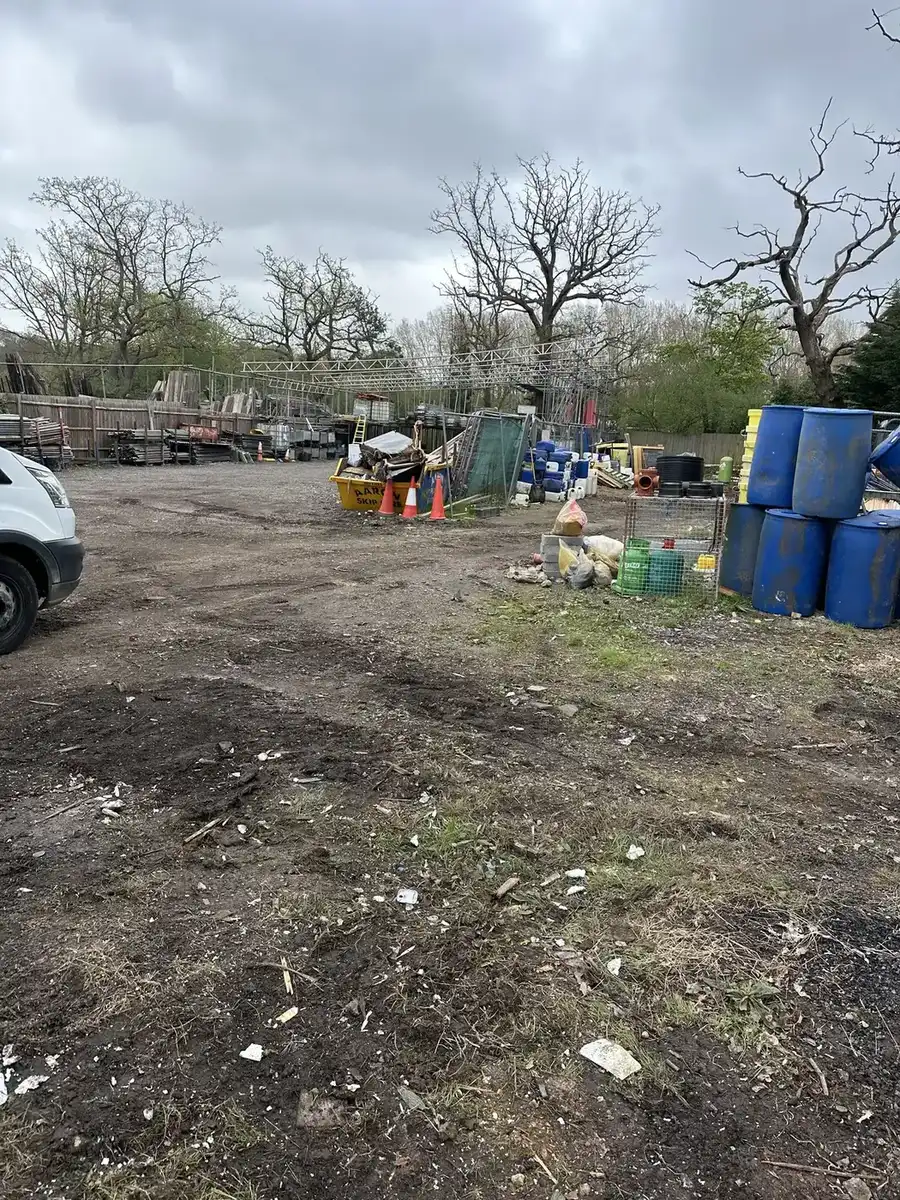
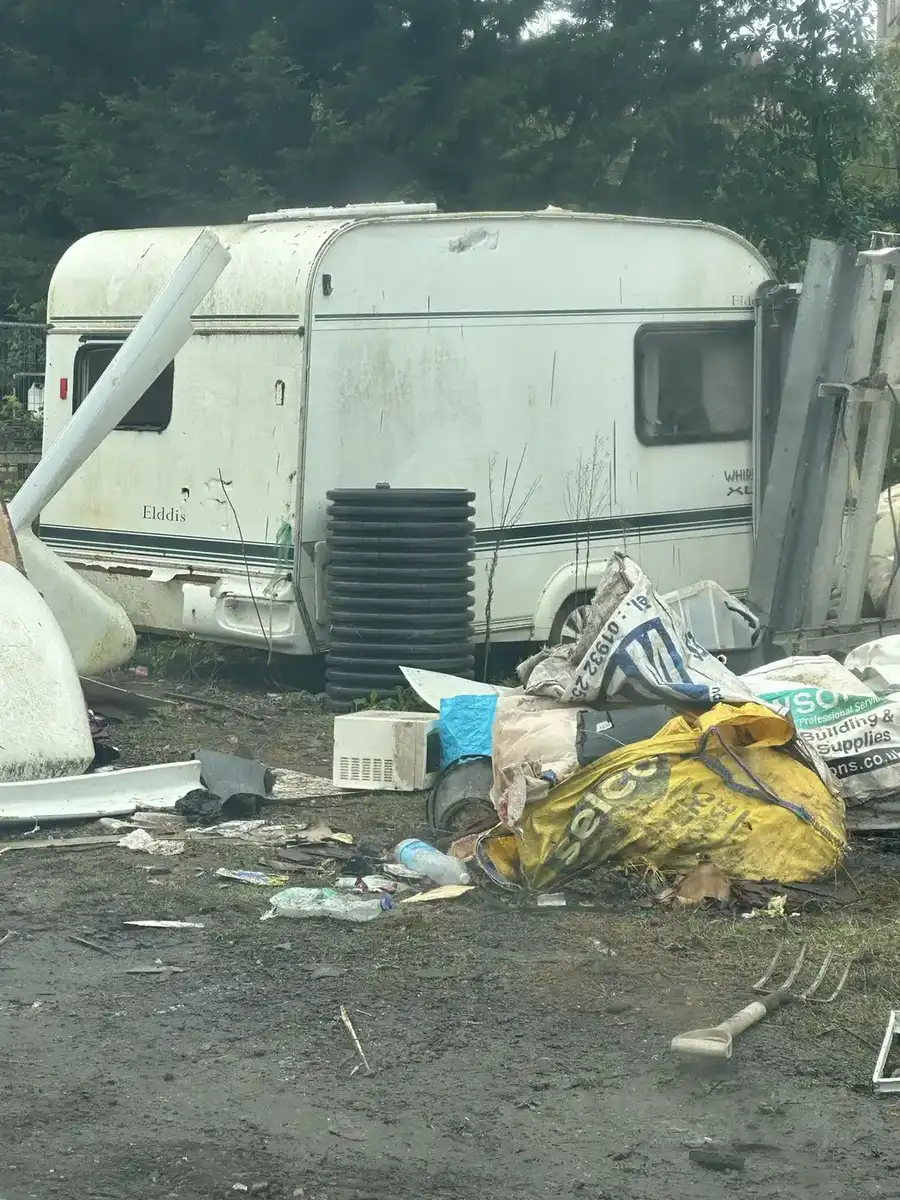
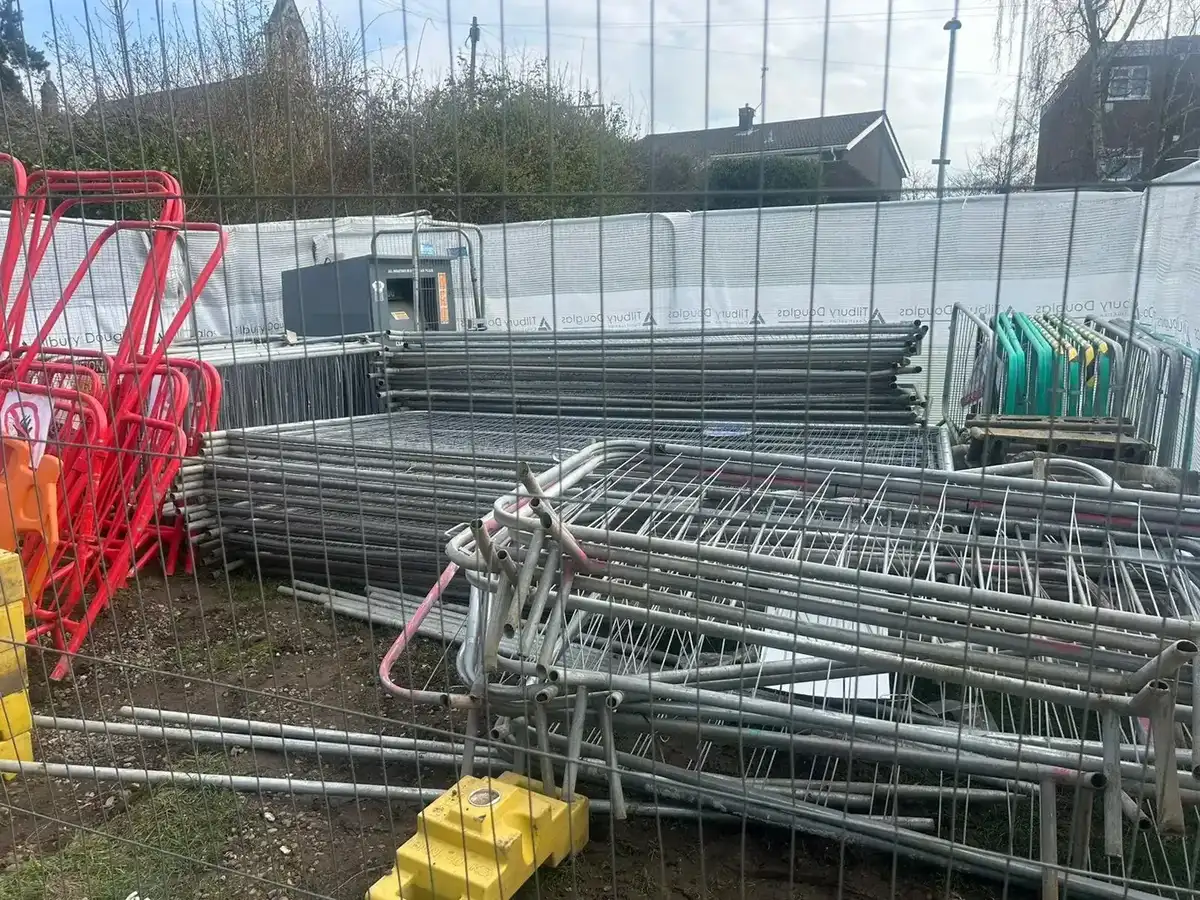
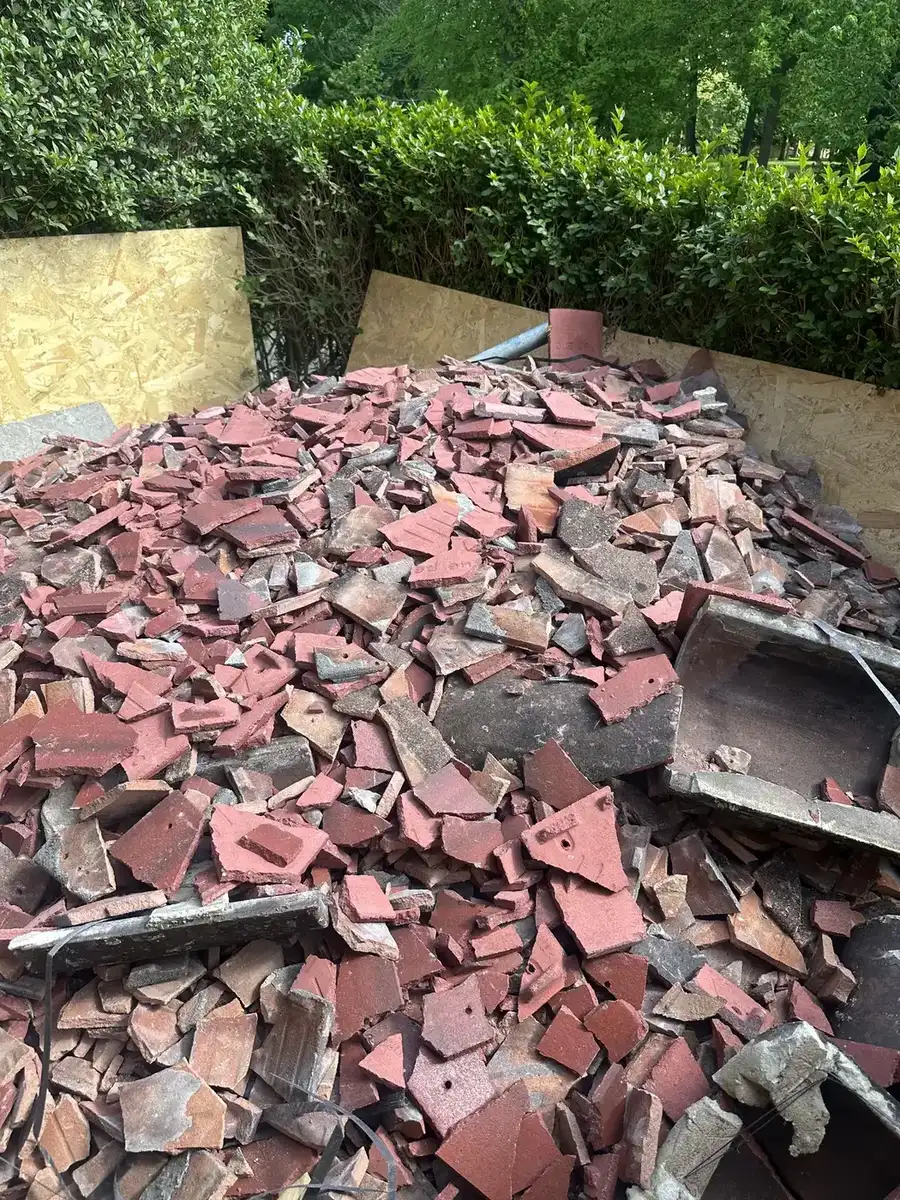
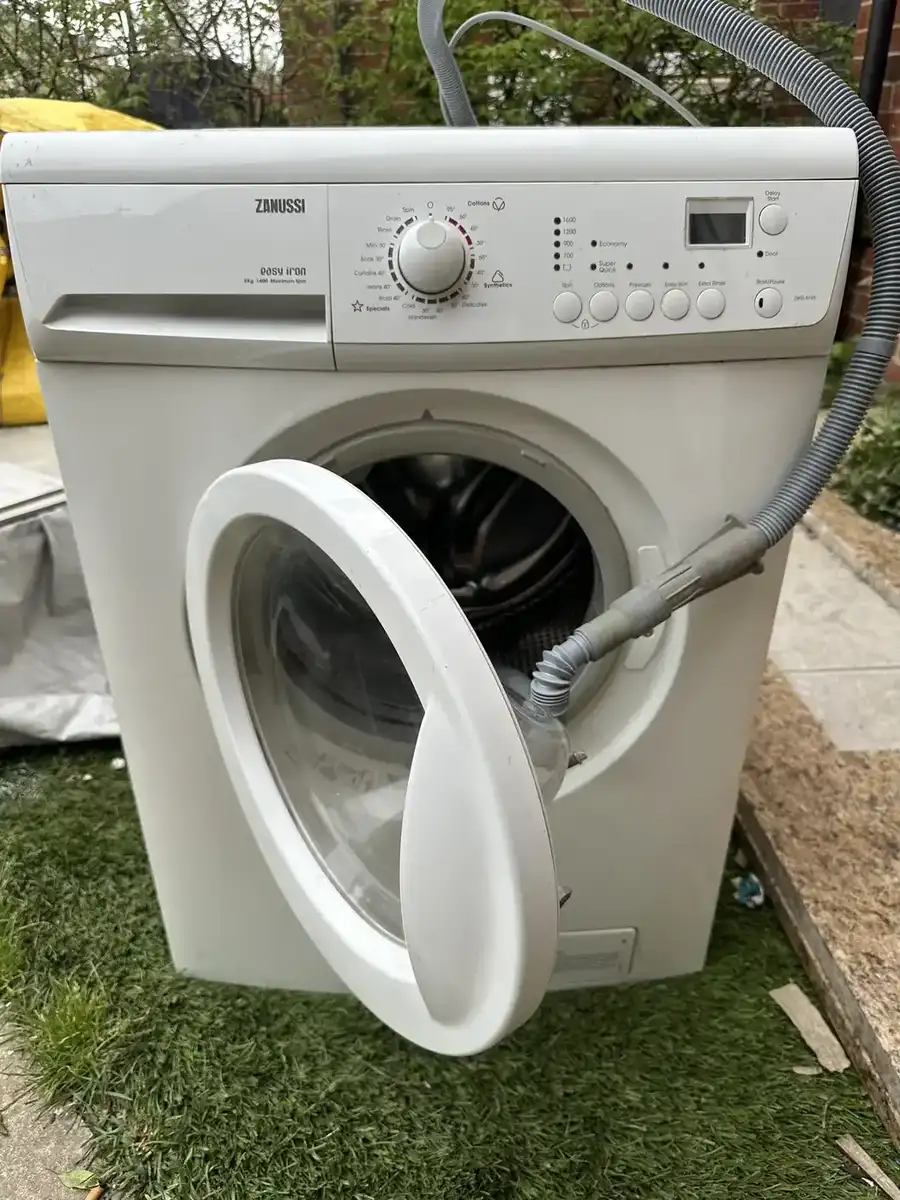
Clearance websites can easily be filled with generic photographs of tidy vans and staged rubbish. That does not show what the company has actually dealt with. Real job archives are different: they reveal awkward items, access constraints, material types and the reality of loading work.
London Waste Van is building this library gradually rather than manufacturing dozens of fictional projects. When a job archive does not include a verified location, price or time, those fields are omitted. When a future job has good before-and-after photos and publishable details, the case study can become much richer.
How Future Jobs Can Strengthen The Site
For future clearances, a useful evidence pack is: one wide before photo, two or three close-ups, an access/loading photo, one image of the vehicle or loading stage where appropriate, and a clear after photo from approximately the same viewpoint. If the customer permits it, a verified borough or district and the actual service type can be included.
This creates unique first-party material that competitors cannot simply rewrite. It also helps customers judge whether their own job is similar before asking for a quote.
What We Will Not Do
We will not claim a job was in Chelsea, Richmond or any other area simply because that phrase would be useful for SEO. We will not invent a £450 or £1,200 price to make a case study look complete. We will not call two unrelated photographs “before and after”. Accuracy is more valuable than a made-up story.
Use The Photos To Improve Your Quote
Browse the relevant case study, then send your own images showing the entire waste scope and access. For ordinary light or mixed rubbish, the Rubbish Removal Price Estimator can give a planning figure. For whole properties, use the House Clearance Estimator.