
London waste clearance • photo/video quotes • 7 days07424 151946   lee@londonwastevan.co.uk
Real job evidence • commercial site materials

Commercial Site Equipment Clearance Photo Study

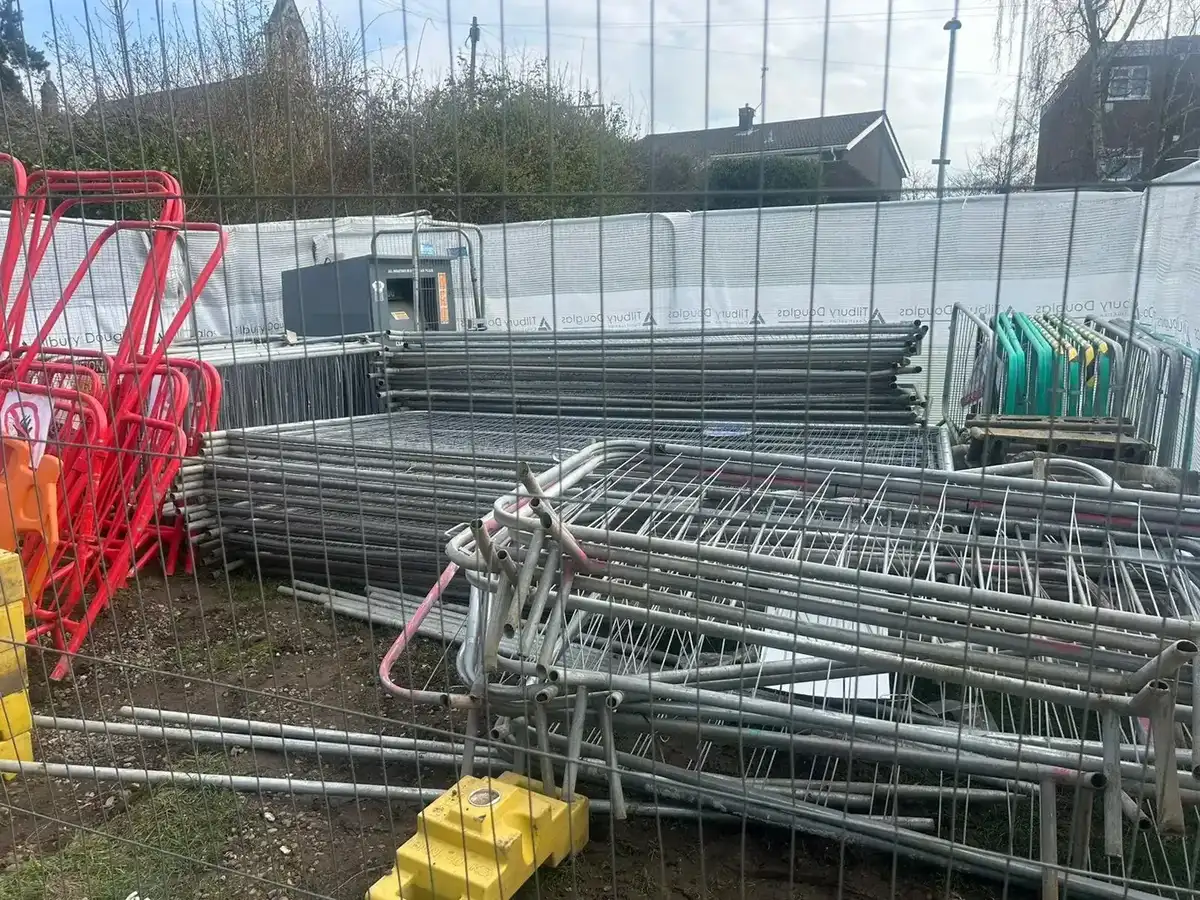
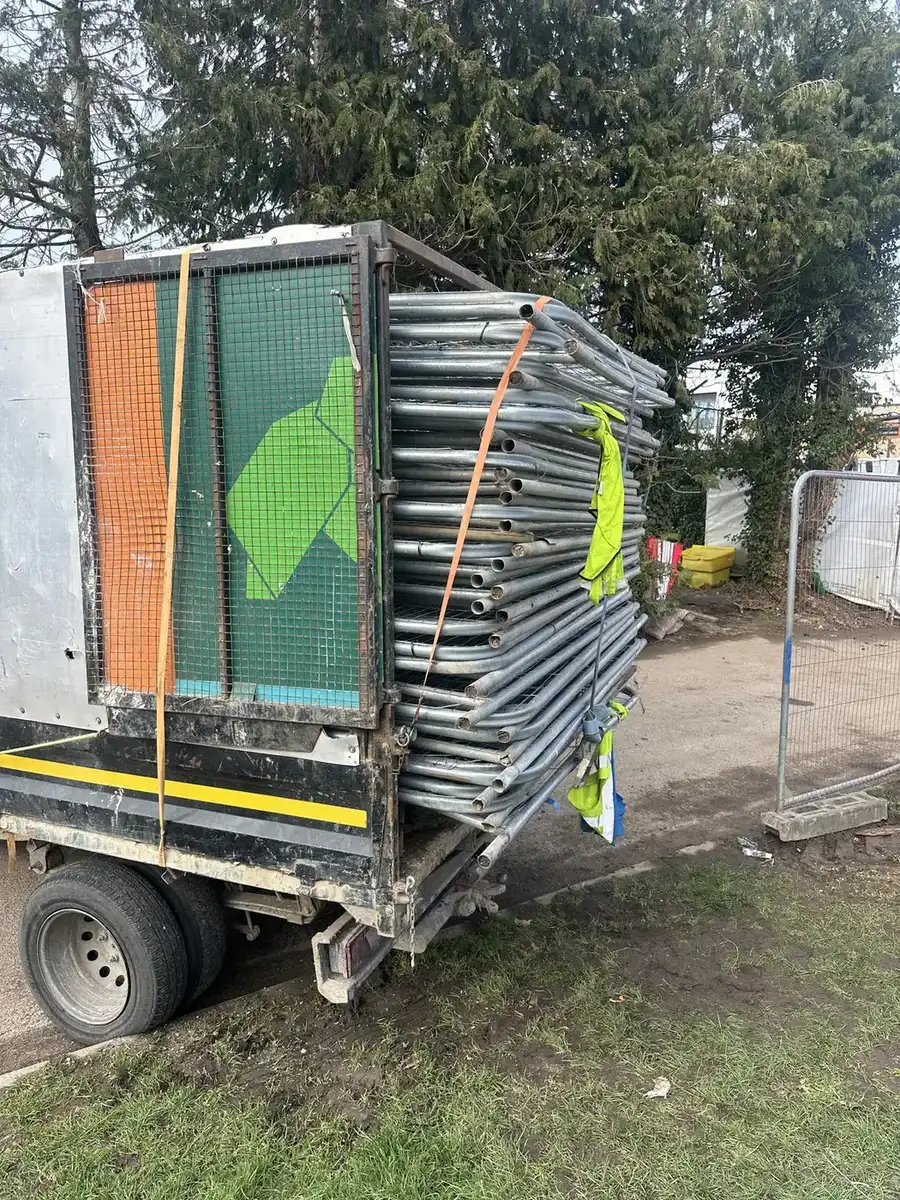
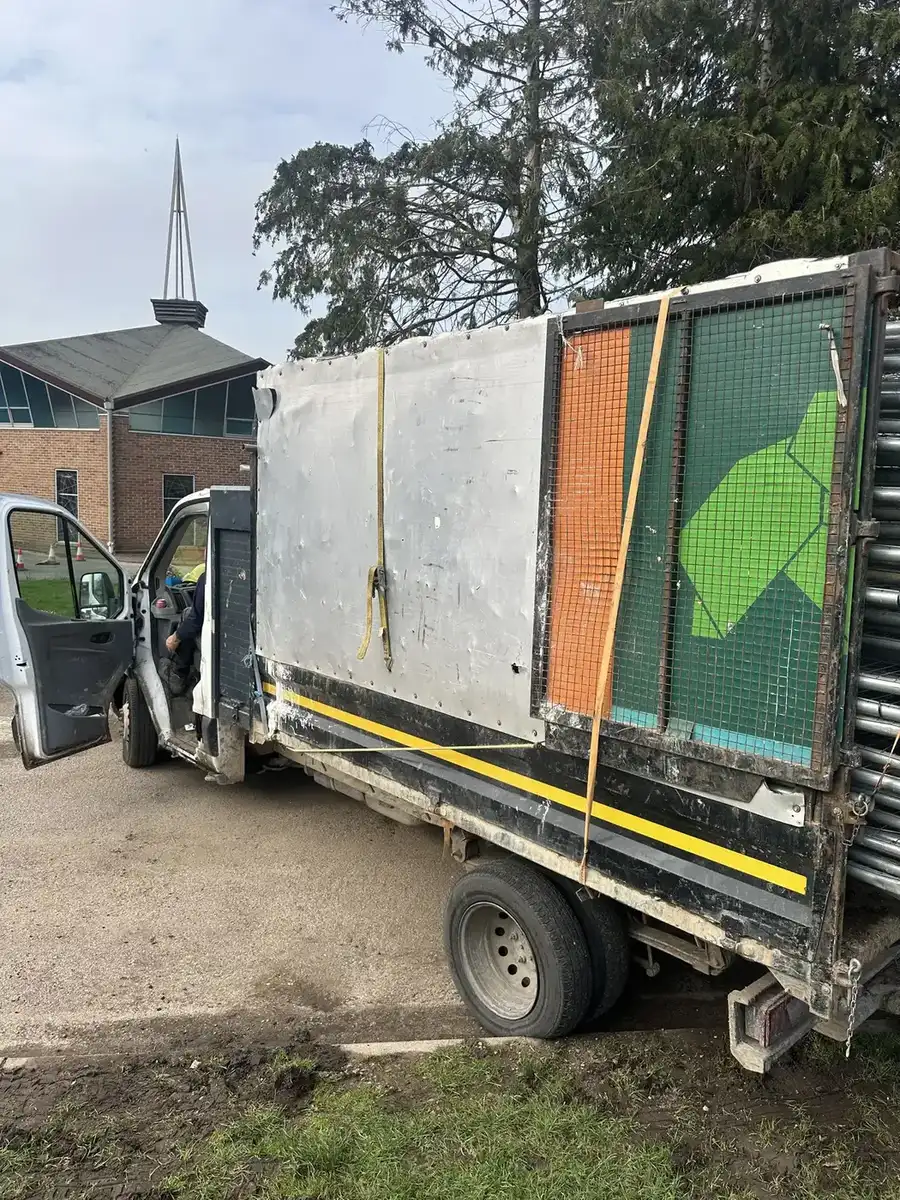
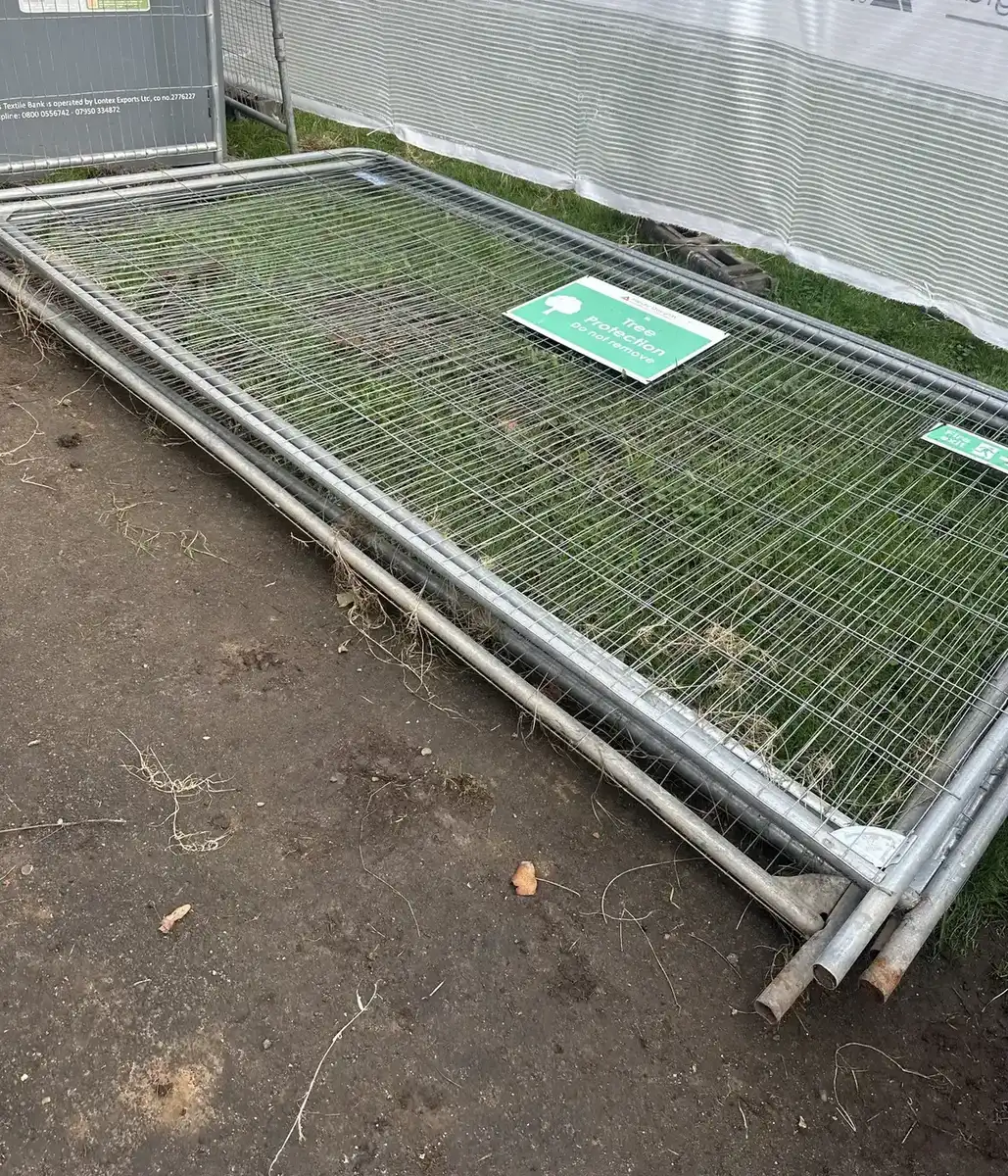
This customer-supplied photo set shows temporary fencing panels, pedestrian barriers, weighted bases and a collection vehicle being loaded. It is useful evidence of a commercial clearance that involves awkward long items rather than ordinary bagged rubbish.

  • Real job photo set
  • No invented price, location or duration
  • Useful access and material evidence
  • Quote similar work from photos/video

Call 07424 151946 Send Photos / Video

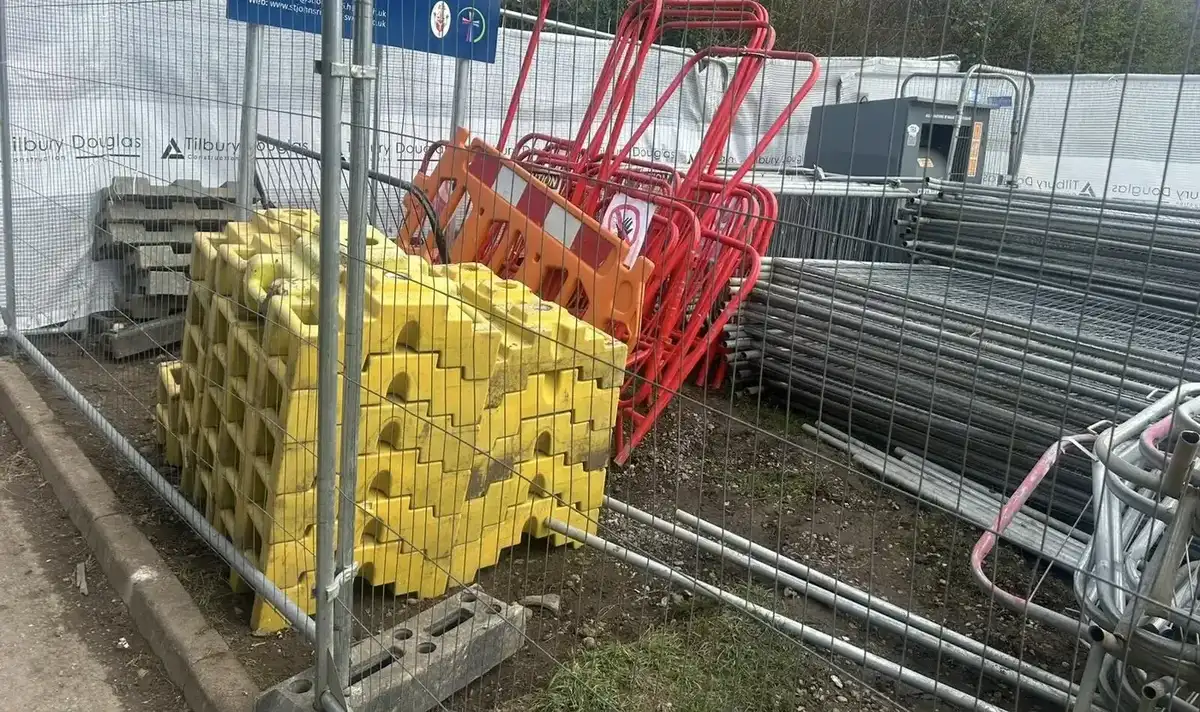
Stacked temporary fencing and barriers on a commercial site
Same-Day AvailableSubject to route and capacity
👷
Labour IncludedAllowance depends on load size
📷
Photo / Video QuotesShow the waste and access
♻️
Responsible DisposalAppropriate licensed waste routes
Evidence standard: this page describes only what can be supported by the supplied photographs and the current service rules. It does not manufacture a postcode, customer name, job value, crew size or completion time.

Real Clearance Job Photos

Stacked temporary fencing and barriers on a commercial site
Stacked metal fencing and barriers awaiting removal.
Collection vehicle loaded with site equipment
Long metal site equipment secured on the vehicle.
Waste clearance vehicle collecting temporary site equipment
Vehicle positioned for the commercial site collection.
Temporary metal fencing panels awaiting collection
Metal fencing panels grouped for loading.
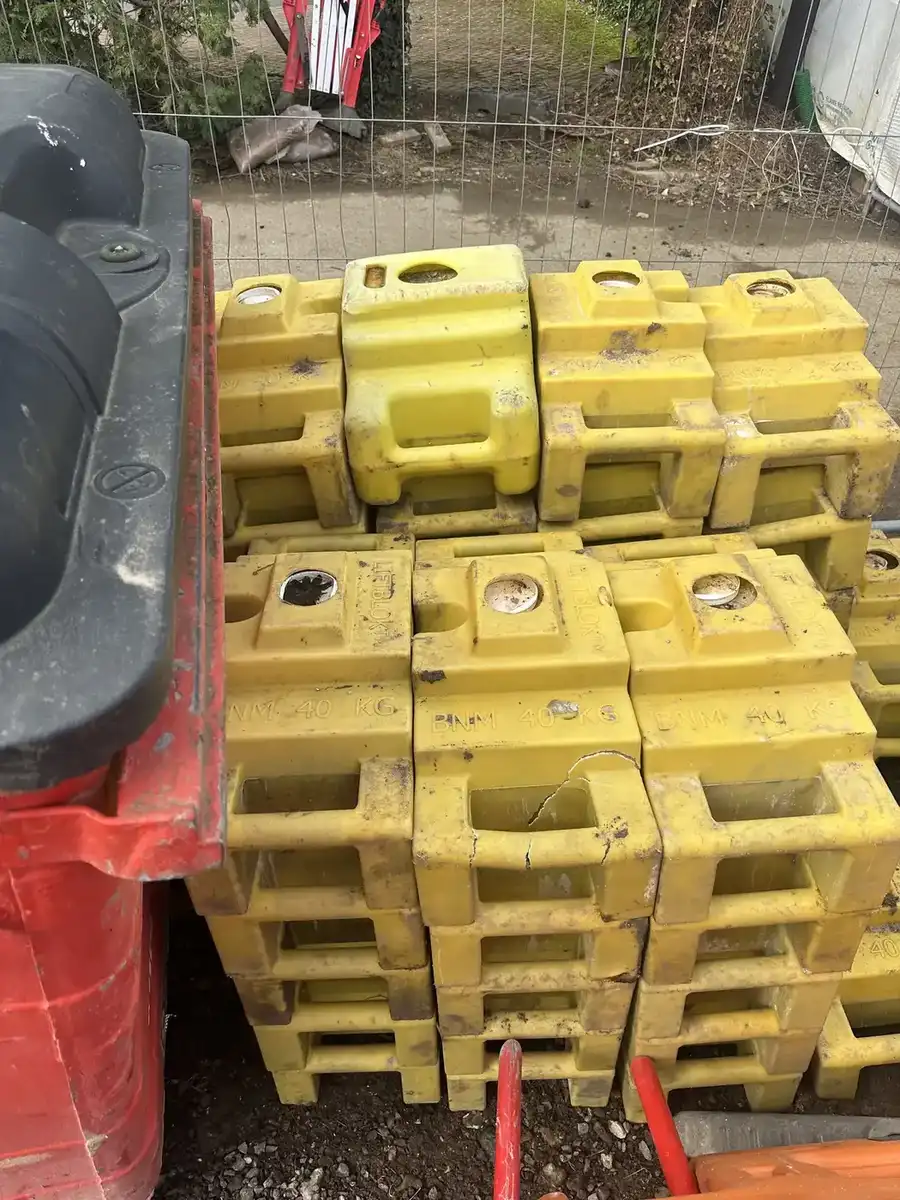
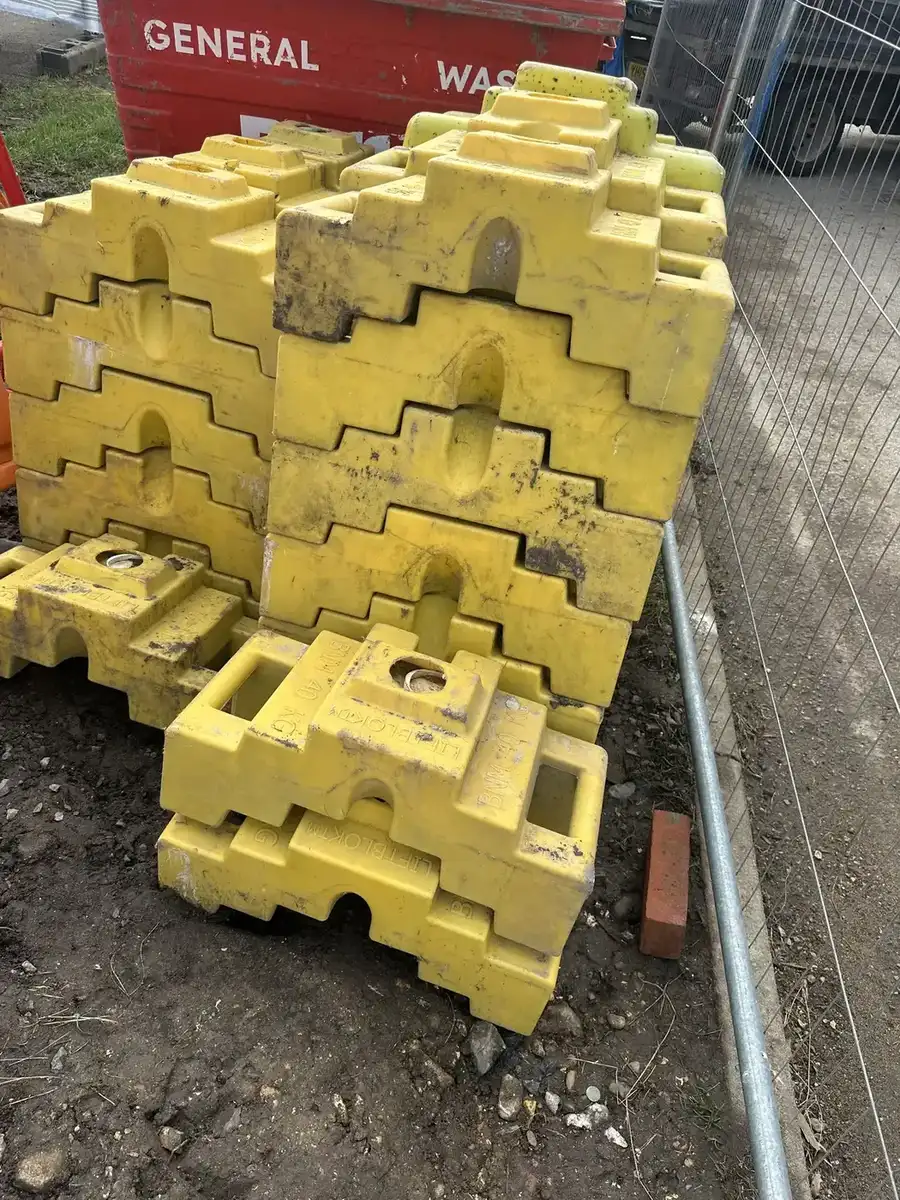
Yellow weighted barrier bases loaded for removal
Weighted barrier bases loaded with other site equipment.
Stacked yellow temporary barrier bases
Large quantity of weighted bases awaiting clearance.
Temporary site barriers and weighted bases in storage area
Mixed temporary site equipment grouped in a fenced area.

What Makes This Different From Normal Rubbish

Temporary fencing and barrier systems are bulky, long and awkward. They may not be especially dense individually, but they use vehicle space inefficiently and must be secured safely. Weighted bases can also add substantial weight. A realistic quote therefore needs both the number of pieces and photographs of how they are stacked.

Commercial Access Matters

Site gates, compounds and working-hour restrictions can determine whether the collection is simple or difficult. A commercial customer should supply a site contact, access window, loading instructions and any induction or PPE requirements before arrival.

Reusable Equipment Versus Waste

Some commercial equipment may have reuse or resale value rather than being treated immediately as waste. If the customer wants items separated for reuse, storage or resale, that needs to be agreed before loading. The photographs alone do not establish ownership, condition or value.

Planning Long And Awkward Loads

Long metal items need a vehicle and securing plan that keeps the load safe. The collection should not be priced only by a visual “percentage of the cage” if the shape prevents normal stacking. Photo quoting is particularly useful here because the crew can plan the loading method before arrival.

Related Commercial Services

For offices and managed premises, the Office Clearance service covers furniture and equipment. For construction compounds and mixed external areas, Site Clearance is normally the better starting point. Metal-heavy loads can also be assessed through the Metal Collection service.

Get A Quote For Similar Work

Send the complete scope rather than one close-up. Include the postcode, wide images, a slow video, carrying/loading route and anything unusually heavy or specialist. For a normal mixed rubbish load, the general rubbish removal estimator can give a planning figure; dense or unusual jobs still need individual assessment.

Counting And Photographing Commercial Equipment

For a job like this, piece counts are valuable. Saying “a pile of barriers” is less useful than stating the approximate number of fencing panels, pedestrian barriers and weighted bases. Counts help estimate vehicle space and weight, while photographs show whether the items are nested neatly or spread across several areas.

Customers should also show any fixing feet, concrete or rubber bases, clips and loose accessories. Small components may not affect the overall volume much, but they can affect loading time because the crew needs to gather and secure them. Long items should be photographed end-to-end so their length is obvious.

Where the equipment belongs to a contractor, landlord or event supplier, authority to remove it should be clear before collection. If some pieces are hire stock or need returning to a supplier, separate them physically and label them. A clearance crew should never have to guess which commercial assets are waste.

Frequently Asked Questions

Can you collect temporary fencing and barriers?

Suitable temporary fencing, barriers and associated equipment can be assessed for collection. Provide approximate piece counts, photos and access details so the vehicle plan can be checked.

Why do weighted barrier bases matter to the quote?

They add significant weight compared with empty plastic or metal barriers, so the number of bases should be shown and counted rather than treated as visual background.

Can reusable site equipment be separated from waste?

Yes. Items to retain, return to a hire company or move elsewhere should be clearly labelled and separated before the clearance starts.

Do you need a site contact for commercial collections?

A site contact is useful where there are gates, inductions, loading windows, security or other managed-access requirements.

How should long fencing panels be photographed?

Show the full length, how they are stacked and the approximate number of pieces. This helps plan vehicle space and safe securing.

Can you collect from an active construction or event site?

Potentially, subject to the waste/equipment type and site rules. Any PPE, induction, escort or timed-access requirements should be disclosed before booking.

Is commercial equipment priced only by van volume?

Not always. Long, awkward or weighted items can use space inefficiently or add more weight than ordinary mixed rubbish, so the quote should reflect the actual pieces.

Can you remove metal fencing as scrap metal?

Metal-heavy loads can be assessed through the Metal Collection service, but ownership, condition and whether items are actually waste should be clear first.

Do these photos prove the job location?

No. The supplied archive did not include a verified publishable location, so the page deliberately does not invent one.

What should I send for a similar commercial quote?

Send piece counts, wide and close-up photos, access/loading instructions, site contact details, required date and anything that must remain.

Need Rubbish Gone?

Send photos or a video, postcode, access details and preferred date for a realistic quote.

Try The Price Estimator Call 07424 151946